 1 month Ago
Roads Busier, But Not Chaotic
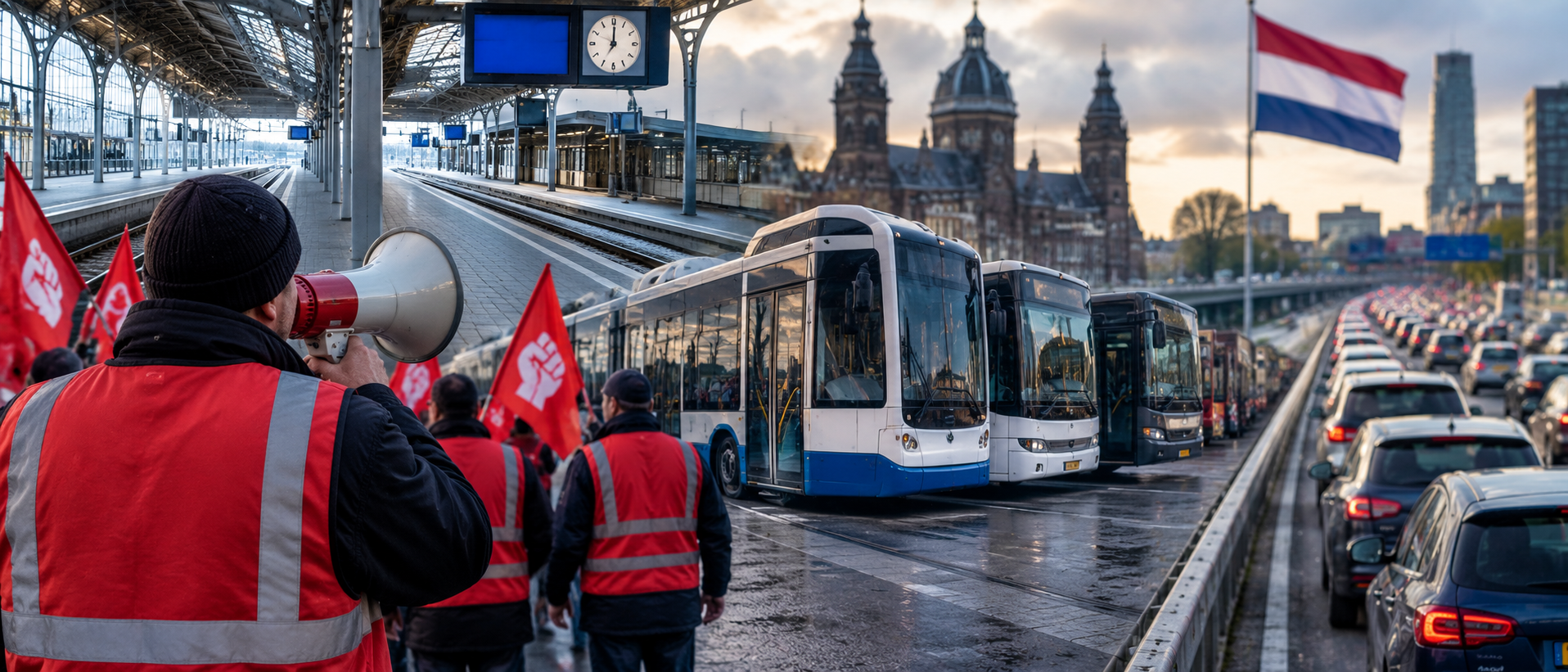
With so many people unable to rely on public transport, traffic authorities expected more cars on the road during the morning rush. Still, officials at Rijkswaterstaat downplayed fears of gridlock, noting that past strikes hadn't led to a noticeable jump in peak-hour congestion, and this one wasn't likely to be any different.
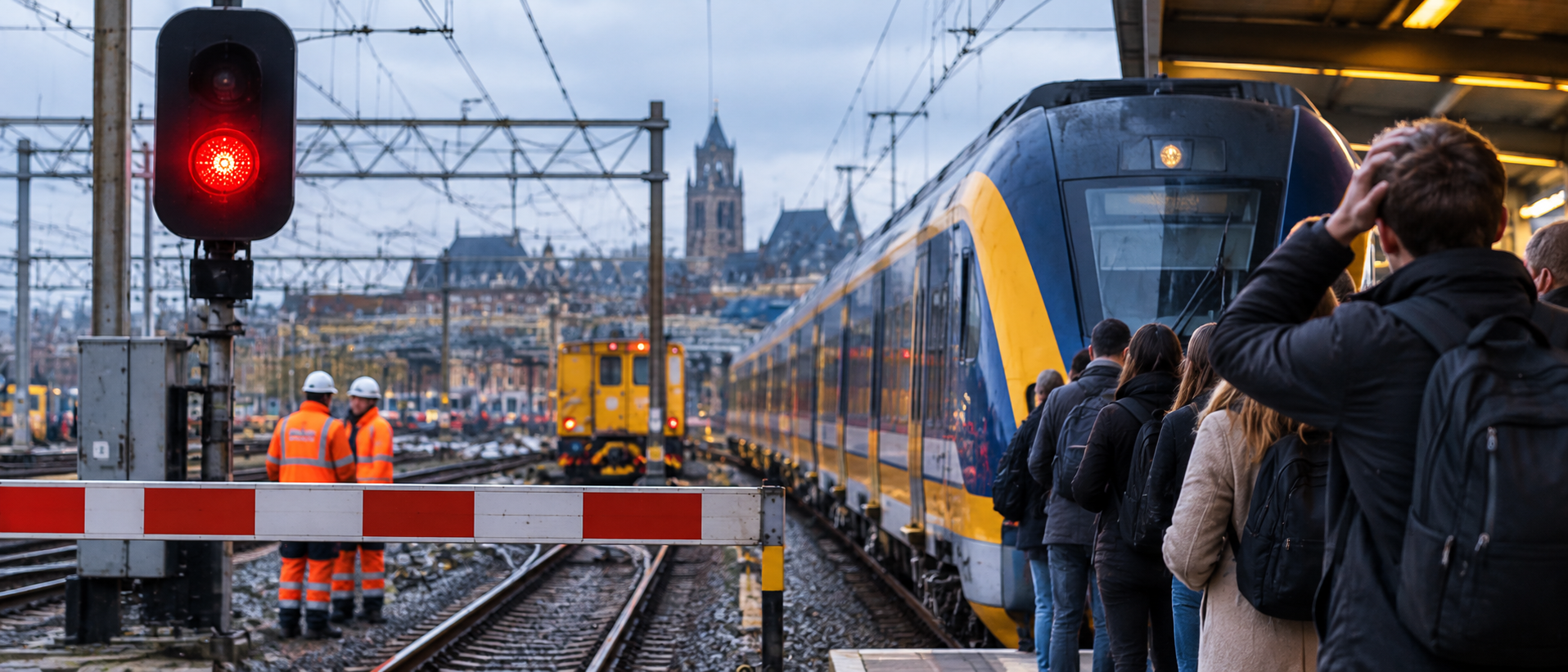
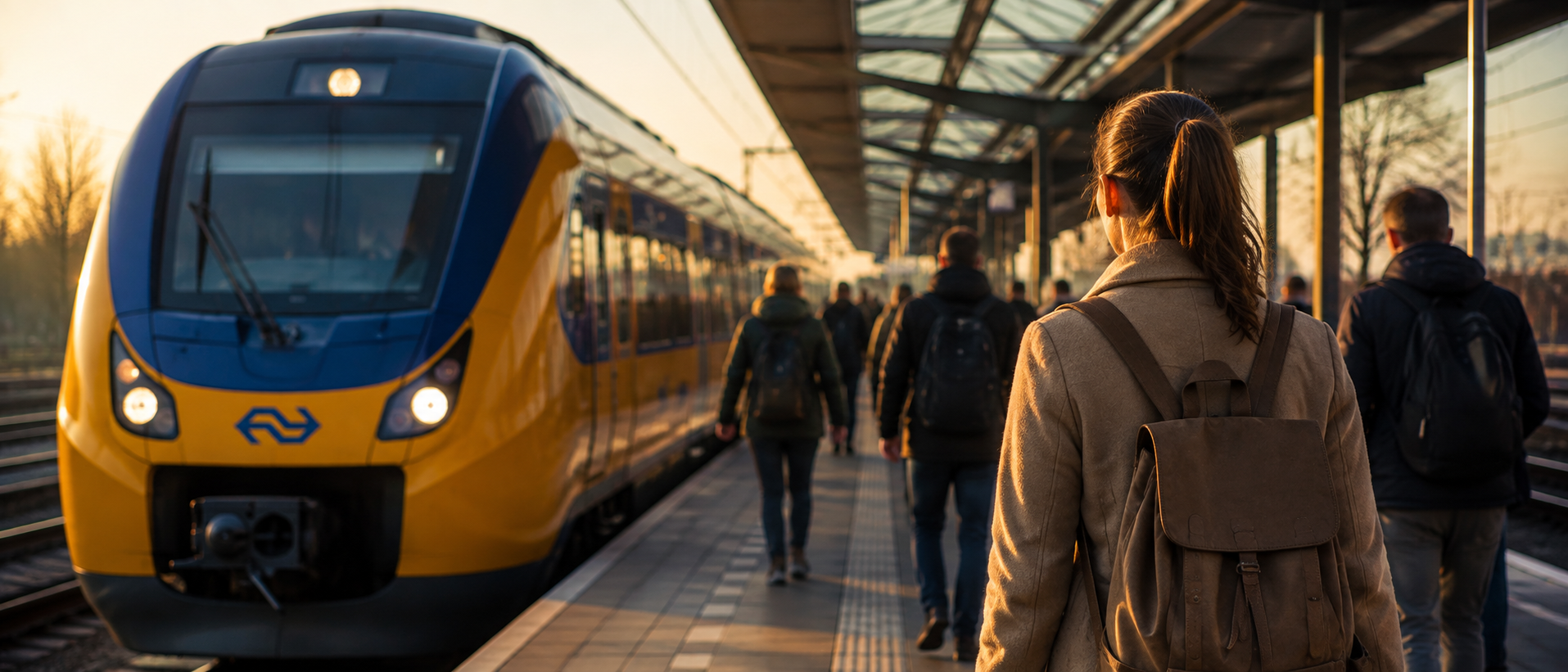
That said, road conditions weren't entirely smooth. The ANWB, the country's motorists' association, reported 32 separate traffic jams stretching a combined 112 kilometers by 7:00 a.m., a sign that at least some commuters had switched to driving. Meanwhile, train stations in major cities told a different story altogether, appearing largely empty early in the morning, suggesting most travelers had already gotten the message and made other plans. Many were encouraged to simply work from home instead of trying to navigate the disruption.
Why Workers Walked Out
The strike, organized by trade unions FNV and CNV, was a direct response to the government's plan to slash €6.5 billion from the social security budget. Those proposed cuts targeted the state pension system (AOW), unemployment benefits (WW), and disability payments (WIA), all of which raised alarm among workers who felt their safety net was under threat.
Interestingly, leaked budget documents later revealed that the government had already dropped or delayed most of these cuts. Even so, the unions chose to move forward with the strike as planned, arguing the issue went beyond just the numbers.
An FNV representative explained that public transport employees carry a higher-than-average risk of ending up on disability benefits, given how physically demanding their jobs can be. Because of that, the union insisted that workers need real assurance that support will be there if their health takes a hit down the line.