 2 hours Ago
Harassment, Insults and Online Abuse
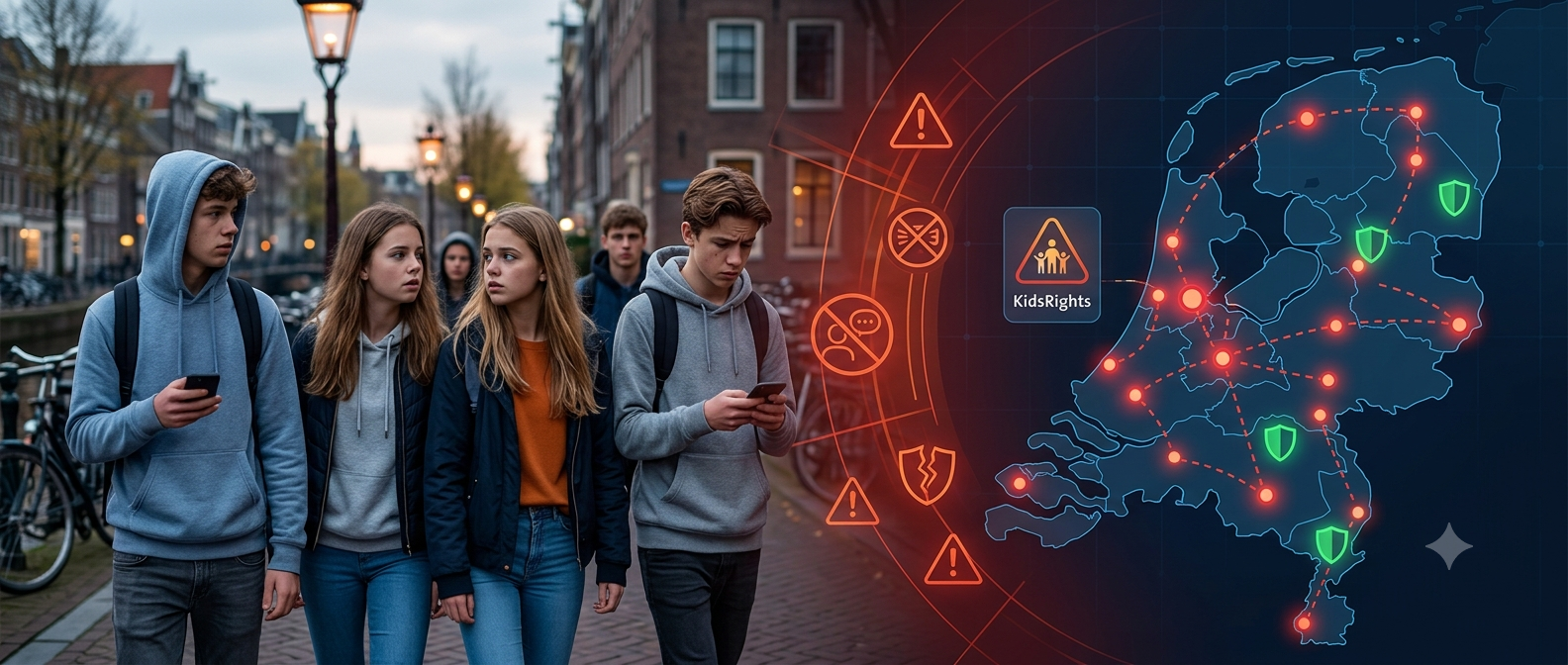
According to Dullaert, half of all the girls and women in the study had faced sexually inappropriate behaviour. Other forms of mistreatment were common too. Some 28 percent of respondents had experienced physical aggression and 47 percent had been insulted. Online, 16 percent said they were bullied, and 9 percent had seen pictures of themselves shared without their consent.
He believes the world has genuinely become less safe for the young. Official national figures show that people aged 15 to 25 are the most frequent crime victims, at 28 percent last year, compared with around 14 percent of those over 65. The difference is even starker for violence. About 12 percent of young people ran into it, against only 2 percent of older people. Dullaert said we tend to picture the elderly as the vulnerable ones, but the numbers point somewhere else.
A Shift in Values
Young people themselves want things to change. Dullaert said more attention should go to mental safety, meaning the basic sense of security in daily life. Many youngsters, boys and girls alike, seem to feel that boundaries are getting too blurry, and that it's doing them harm.
The former children's ombudsman also pointed to two recent studies. One suggests Dutch people increasingly hold more negative views on women's emancipation. The other shows that acceptance of the LGBTQI+ community is slipping. To Dullaert, both signal that tolerance and respect for others are fading fast. In his words, society is watching its norms shift, and the moral compass is simply broken.
What Needs to Happen
Dullaert urged parents to grasp how serious the problem is and to talk openly with their children. Schools have a part to play as well. Pupils learn traffic rules, such as stopping when a light turns orange, yet nobody teaches them how to call out unwanted behaviour. The government, he added, must spell out what is and isn't acceptable and make sure there are consequences when someone crosses the line.
On social media, he takes a clear stand against a ban for young people. The digital world isn't going anywhere, he said, so shutting young people out won't solve anything. He wants action against platforms that allow hate speech, using tools already available, such as fines and regulation. For Dullaert, that has to become a priority, and it comes down to political will.