 1 month Ago
Why Boldness Matters More Than Numbers
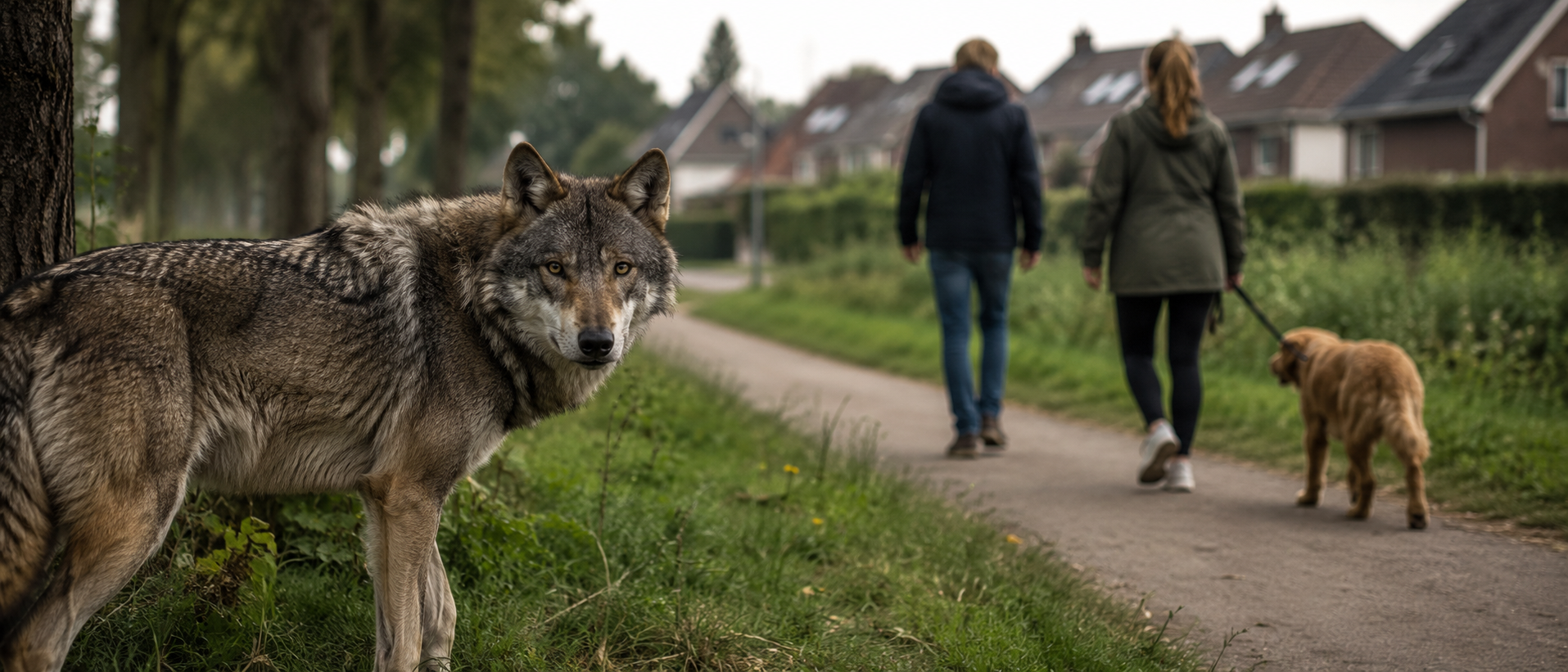
The Netherlands isn't exactly wilderness. It's a small, crowded country where farmland, villages, roads, and recreational areas all sit close together, and nature has to fit in wherever it can. According to the association, that overlap makes bold wolf behaviour far riskier here than it might be in a place with more open space.
The report suggests that wolves usually don't lose their fear of people overnight. It tends to happen gradually, when a wolf becomes used to human presence and then has positive experiences tied to that closeness, things like finding food, wandering into yards, or repeatedly getting near people without anything bad happening. Over time, those experiences chip away at the animal's natural caution.
Because the Dutch countryside is so densely used, encounters between wolves and people are bound to happen more often than in larger, wilder habitats elsewhere. There's also a concern that these crowded conditions might end up favouring the bolder, more adaptable wolves, simply because they're the ones capable of tolerating so much human activity nearby.
"The discussion about the wolf should not only be about numbers but especially about behavior," said Laurens Hoedemaker, director of the Royal Dutch Hunters Association. He believes a wolf that keeps tolerating or approaching people, dogs, or yards needs to be flagged and dealt with early, rather than waiting for something to go wrong. "Waiting until there is aggression is too late," he said.
Dogs and Livestock Are Especially at Risk
Germany's experience with bold wolves offers a useful reference point. The Reinhardt et al. report recommends that unusual wolf behavior be quickly logged, studied, and responded to, and the association argues this approach fits the Dutch situation just as well, if not more so, given how often wolves here cross paths with dog walkers, hikers, and everyday infrastructure.
Dogs, in particular, seem to draw wolves in. The report notes that wolves may follow, watch, or move toward dogs even when their owners are standing right there, which is a real concern in a country where dog walking is a daily ritual in most nature areas.
Livestock isn't spared either. Once a wolf learns that being close to people doesn't come with consequences, it may keep returning to farms, gardens, and the edges of villages. The association says this is exactly why policy needs to lean toward prevention and active monitoring, rather than only stepping in after damage has already been done.
Their ask is for a wolf policy that's legally sound, practical, and tailored specifically to Dutch conditions, one that considers not just how many wolves the environment can support, but also public safety, animal welfare, biodiversity, and whether people are willing to accept wolves as neighbors. Concretely, they want defined criteria for identifying risky behavior, an easy way for people to report incidents, faster assessment when something happens, honest communication with the public, and the ability to step in quickly once a wolf starts losing its wariness.
"Space for the wolf can only exist if there are also boundaries," Hoedemaker said. He added that in a country as densely populated as the Netherlands, managing wolves actively isn't at odds with protecting nature. If anything, he said, it's what makes long-term coexistence possible.