 1 month Ago
Why NS Is Doing This
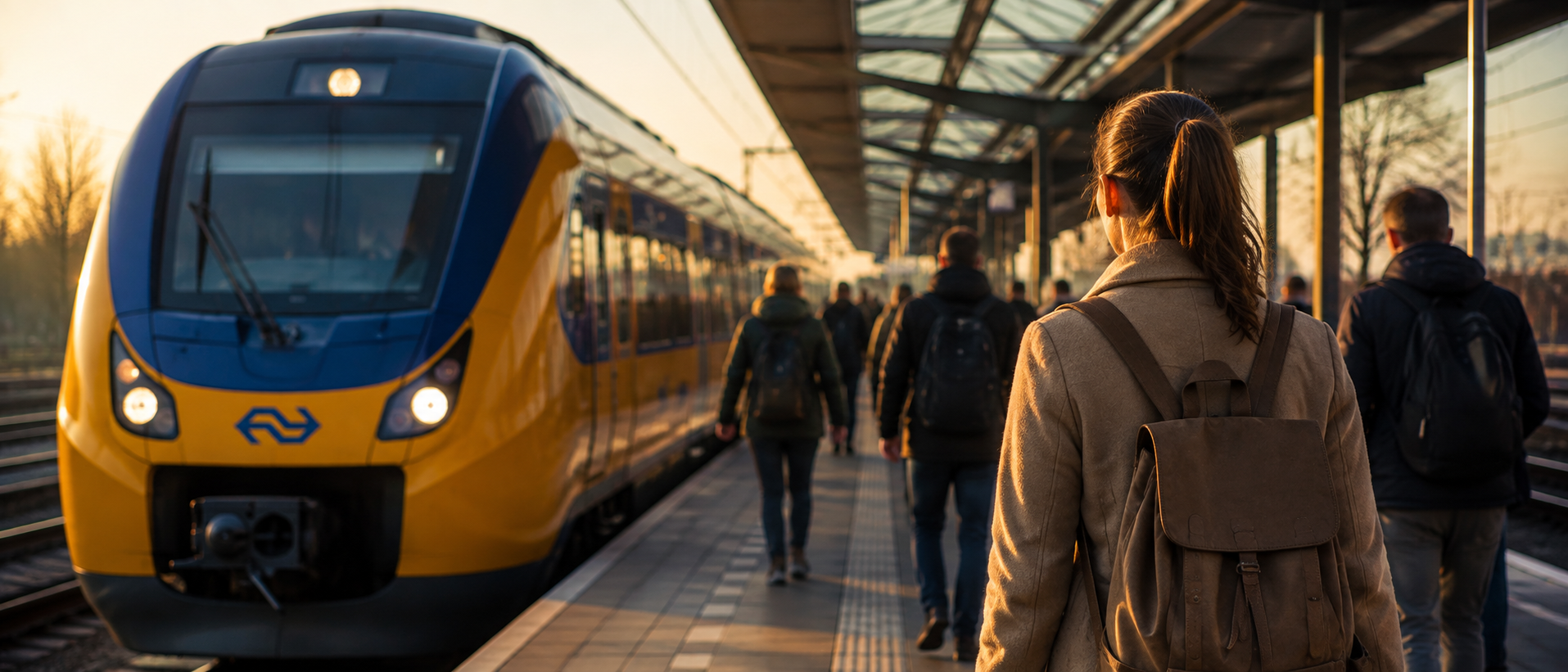
Tijmen Voet, who oversees timetables at NS, compared the challenge to something power grid operators deal with regularly. He explained that NS faces similar peak-load pressure, but even a modest shift in traveller behaviour can ease things considerably. According to Voet, if just a small slice of passengers choose a less busy alternative, standing room becomes far less of an issue across the network.
To put this in perspective, take the 7:46 a.m. sprinter running from The Hague Mariahoeve to Leiden Central, a service that's reliably packed. If only 6 percent of its passengers moved to the quieter train departing 15 minutes earlier, both trains would have enough seats for everyone. A similar pattern shows up on the 8:49 a.m. Intercity from Zwolle to Amersfoort, where shifting just 8 percent of travelers to a departure 30 minutes later would mean seats for all.
How the New Pricing Works
To nudge travelers toward these quieter options, NS is widening its existing PrijsTijd Deals, a scheme that already offers reduced fares for off-peak travel. Under the expanded version, cheaper tickets will now be available for trains running just before or after the busiest window, and travelers can lock in these discounted fares up to a day ahead of time.
NS has been running PrijsTijd Deals since 2024, with discounts reaching as high as 60 percent for off-peak journeys. For these new edge-of-rush-hour tickets specifically, a company spokesperson said the average discount would land around 30 percent. Voet also pointed to earlier testing, which showed that roughly one in five travelers said they'd switch to a quieter train if the price was lower. He called that shift significant enough to matter.
Not Everyone Is Convinced It's Enough
Travelers' association Rover has welcomed the move but isn't fully sold on its impact. A spokesperson for the group said the pricing change will likely only reach a narrow slice of commuters. Their reasoning: a large number of rush-hour travelers already use public transport passes provided by their employers, meaning ticket price simply doesn't factor into their travel decisions. On top of that, many people don't have the flexibility to shift their commute at all, since arriving later could mean being late for work or school.