 9 months Ago
Ageing Population and Growing Solitude
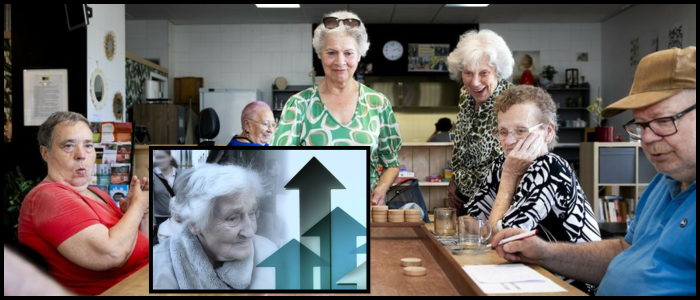
This sharp increase in the number of those in their 85s and over illustrates double ageing. Not only are there more old people as a share of the population, but the average age within that group is also growing. This will create a much higher need for healthcare in the years ahead.
The ageing of the population is one of the reasons single-person households are on the rise. Moreover, many students and labour migrants live alone too. There is also an economic dimension. With higher economic growth, more people can afford to live by themselves, and young people leave home earlier.
PBL estimates that under high growth conditions, the entire Dutch population will be 21.9 million, mainly concentrated in the Randstad and the provinces around it. These areas have more jobs and educational opportunities and younger populations, leading to more births and fewer deaths.
Urban Expansion, Climate Exposure, and Infrastructure in the 21st Century
Urbanisation will put more strain on housing and infrastructure. Planners will note that it will also become increasingly challenging to plan sustainable energy, the circular economy and climate resilience in the face of this expansion. The percentage that includes migrants will increase in all scenarios, whatever the economic upshot.
Even total energy consumption will decrease, but one thing that is increasing is the electricity demand. The Netherlands' dependence on imported energy will decrease. Construction and healthcare, as well, will grow in all scenarios.
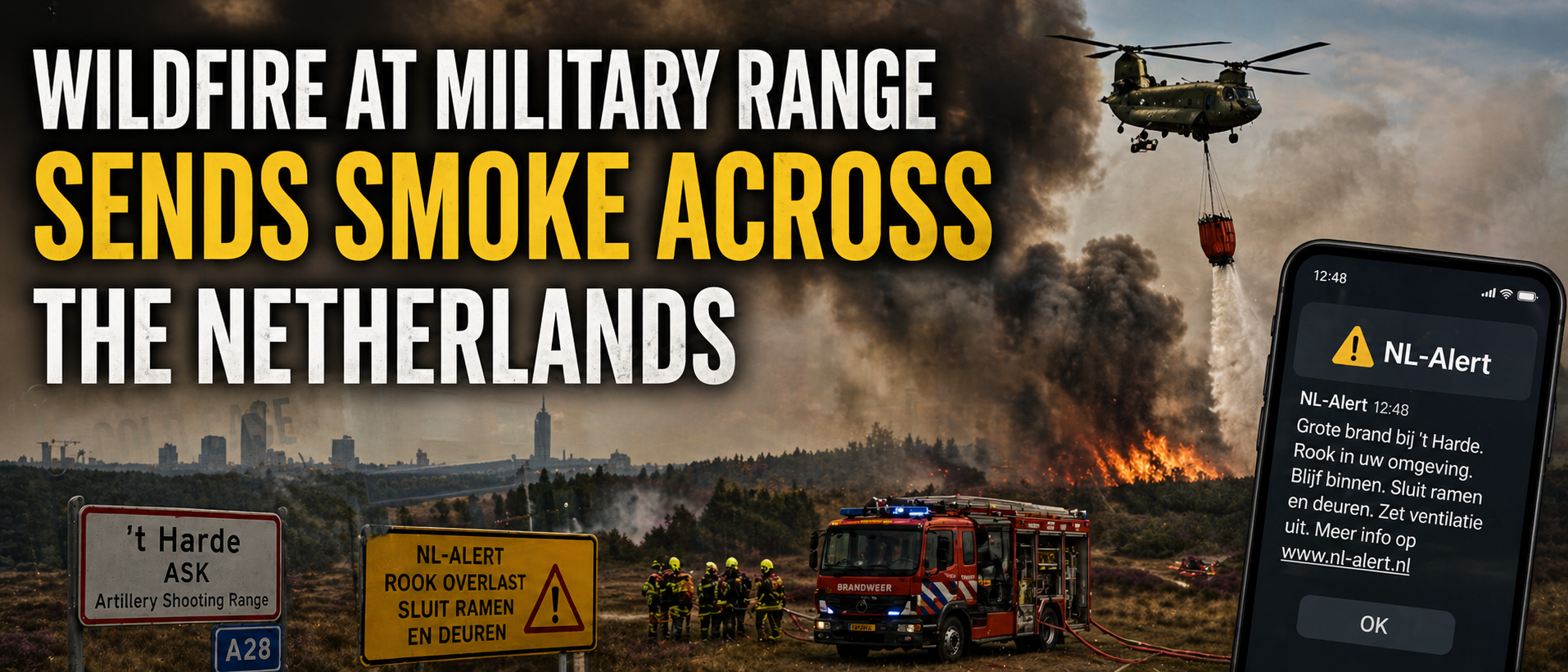
For climate change, a rapid transition means higher adaptation costs through to 2050 and slower increases beyond that. If you go slow, you keep growing climate risks and costs beyond 2060. Those threats can include rising seas, extreme heat, wildfires and unpredictable rainfall.
Traffic Safety and City Mobility
As the population expands, particularly in cities, traffic will become more intense. We project a growth in car travel in rural areas while bus travel declines in three of the four scenarios. All forecasts show an increase in death and serious injury from traffic, some of it due to a greying population and more people on bikes.
City streets will require stricter traffic regimes, from metered parking to reduced speed zones, to enhanced cycling routes, to respond to increased crowding and the fallout from more accidents.