 1 year Ago
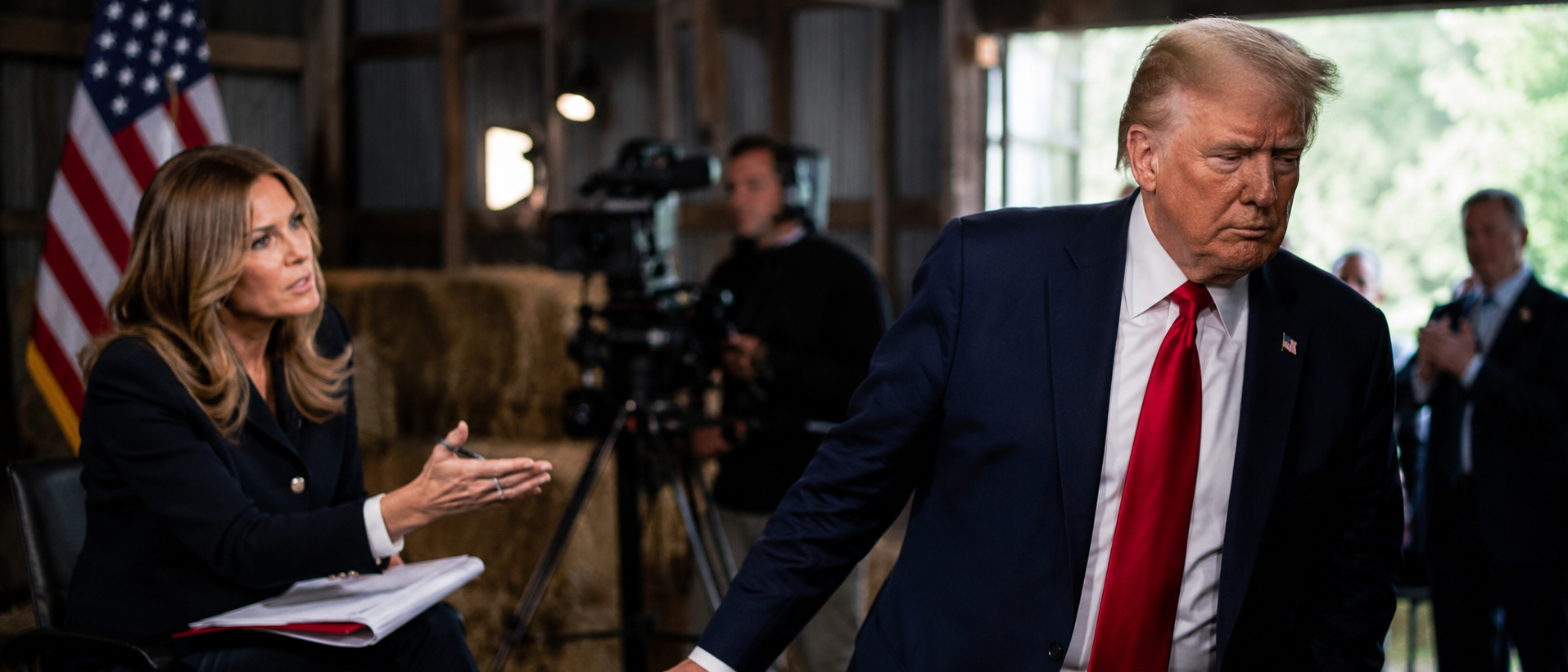
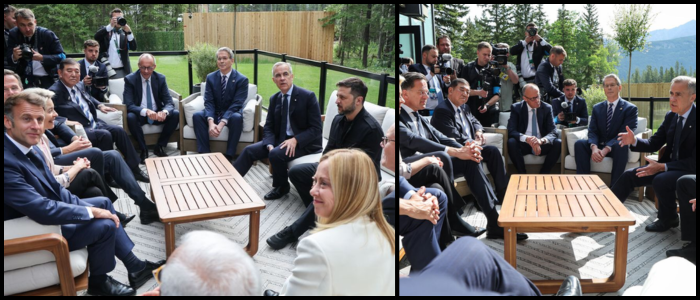
The G7 summit was the first since President Donald Trump's second term began. So low were expectations, given recently reported differences, and it ended without a major confrontation. A German news agency said it was good that disaster was averted. AP French President Macron praised Canadian Prime Minister Carney for pulling the members together, and German Chancellor Merz said the summit went better than planned.
Common Interests on Iran, Refugees, Resources
The two countries made seven joint statements. One, on the Israel-Iran conflict, reaffirmed Israel's right to self-defence and stressed the importance of protecting civilians. The statement said Iran was a driver of regional instability and that it must never gain nuclear weapons. Nonetheless, it did not propose any concrete solutions to end it.
Other common objectives were to combat illegal migration and human trafficking through the dismantling of smuggling lines and tighter control over financial flows. The G7 also unveiled an action plan to reduce dependence on major powers like China for essential raw materials, among them rare earths.
No Unity on Ukraine War
The war in Ukraine was one focal point of discord. When the other members of the G7 lobbied him for the power to apply fresh economic sanctions on Russia, President Trump, in the face of high economic costs, hesitated. Notably, he departed the summit early for Iran discussions, which in turn forced him to cancel a planned meeting with Ukrainian President Volodymyr Zelensky.
Zelensky was allowed to speak to other G7 leaders after Trump left the talks. British Prime Minister Keir Starmer unveiled new sanctions against Russia and promised support through a forthcoming meeting of the "coalition of the willing" – a European-led group for Ukraine that also includes Britain, and France.