 5 months Ago
Geopolitics, Tight Housing, and a Decade of Energy Anxiety
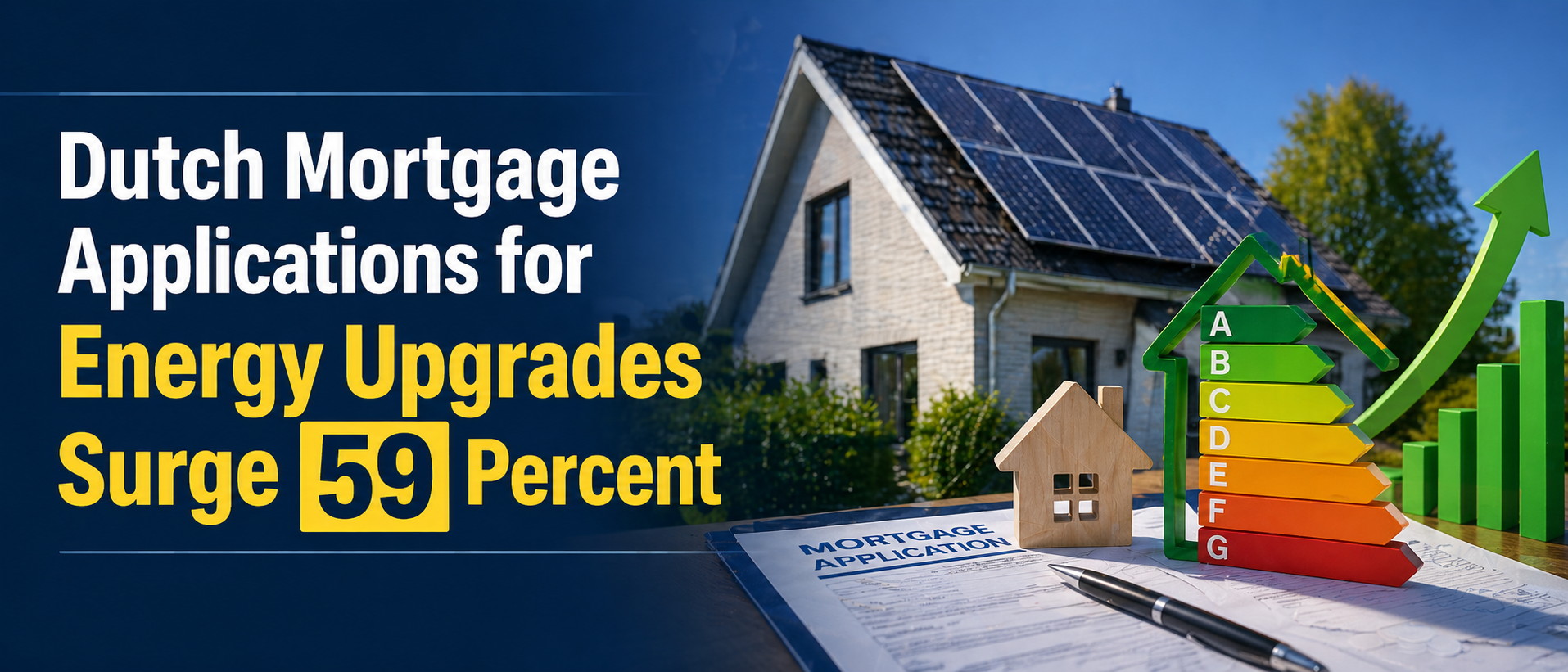
The motivations behind this surge run deeper than a single news cycle. De Hypotheker points to a combination of forces driving the trend — ongoing geopolitical tension affecting global energy markets, a tight housing market pushing homeowners to improve rather than relocate —and a growing awareness of just how exposed Dutch households can be when energy prices swing sharply.
That awareness was sharpened considerably after Russia's invasion of Ukraine in 2022, which triggered an energy crisis across Europe. Since then, reducing energy costs has consistently ranked as the top reason homeowners choose to renovate. The numbers reflect that sustained momentum. In 2024, mortgage applications for home improvements rose 22 percent compared to the year before, followed by a further 17 percent increase in 2025. March's 59 percent monthly jump suggests the pace is now accelerating.
The trend is cutting across age groups, though younger and older homeowners are leading the charge. Last year, the sharpest growth in renovation-related mortgage applications came from homeowners between the ages of 25 and 35, up 28 percent, and from those aged 55 and older, up 20 percent. Many in these groups are sitting on built-up home equity and choosing to put it to work rather than enter a fiercely competitive property market.
Energy Labels, Property Values, and the Barriers Still Holding People Back
Beyond lower bills, making a home more energy efficient is increasingly seen as a smart financial move in its own right. Energy-efficient homes consume less, reduce reliance on volatile external sources, and tend to offer a more comfortable living environment. They also command higher prices. Buyers are reportedly willing to pay a premium for properties with strong energy credentials, and energy labels have become a meaningful factor in purchasing decisions. In some situations, buyers of homes with weaker energy ratings can even access additional borrowing specifically earmarked for upgrades.
Mark de Rijke, commercial director at De Hypotheker, put the broader picture plainly. "The past few years have shown many Dutch people how vulnerable they are to sharp fluctuations in energy prices," he said. "The conflict in the Middle East once again makes clear how dependent we are on energy sources from unstable regions. That fits into a development we have been seeing for a longer time."
Yet for all the growing appetite to renovate, de Rijke was candid about the obstacles still standing in the way. More than half of homeowners report facing real barriers when trying to make their homes more sustainable. Limited understanding of available financing options is one issue. Constantly shifting regulations is another, creating uncertainty that causes some homeowners to delay or abandon plans altogether. Closing that knowledge gap, it seems, will be just as important as any mortgage product in turning energy anxiety into lasting action.