 3 months Ago
Why the System Is Being Introduced
This new approach is essentially a fresh attempt to crack down on drivers who just won't change their habits no matter how many fines or bans come their way. Authorities have grown increasingly frustrated with a stubborn segment of road users who seem to shrug off penalties entirely, continuing to drive dangerously even after being caught repeatedly.
How the Points Will Work
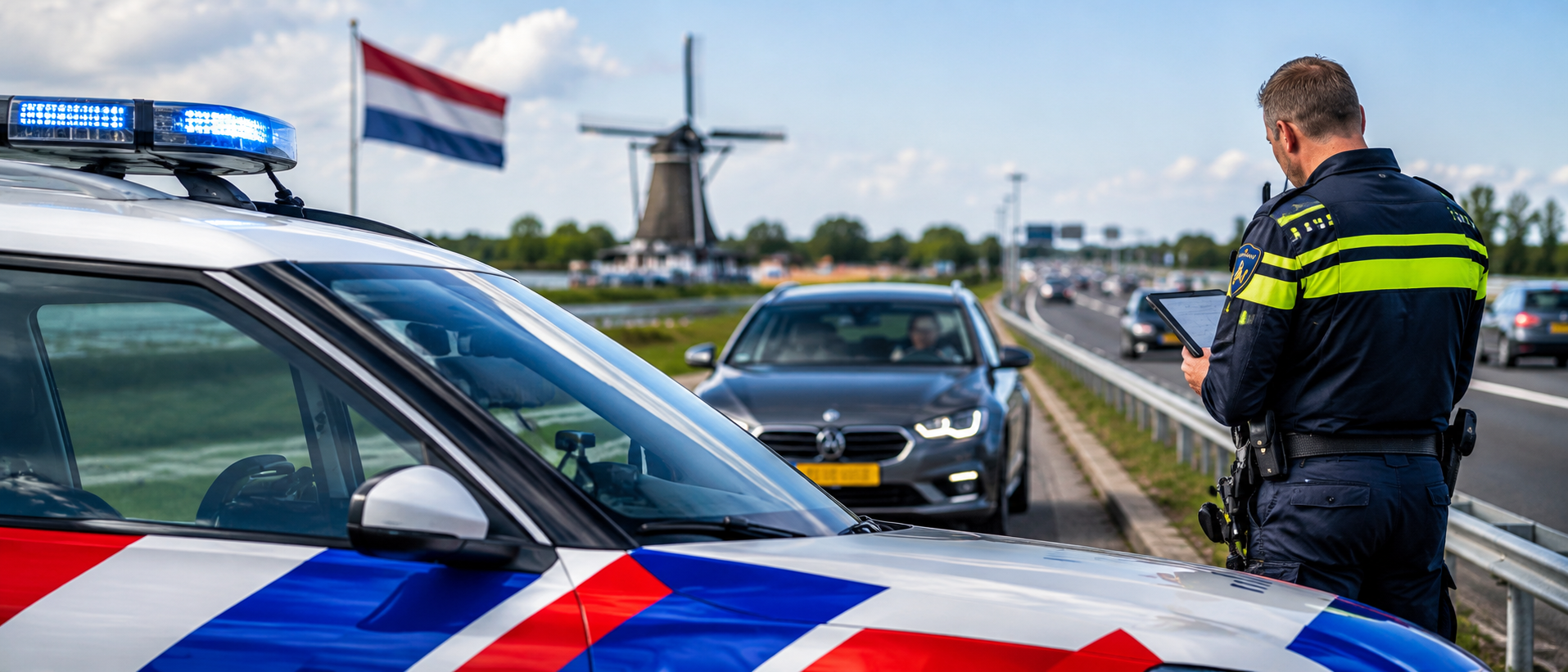
The system breaks down fairly simply. If a police officer catches someone mid-violation, say, texting while driving or skipping the seatbelt, that driver gets slapped with one penalty point along with their fine. Move up to more serious offenses, the kind that require an appearance before the Public Prosecution Service or a judge, and the point total jumps to two or three. That tier covers things like causing a major accident, drunk driving, or getting behind the wheel without a valid license.
One thing worth noting: violations caught purely by speed cameras won't factor into this points tally at all. Once a driver hits six points within a single year, they're automatically flagged and added to the repeat offender list, triggering heavier monitoring. Officials are also weighing whether to require an additional training course through the CBR for these drivers.
Looking at the numbers, roughly 30,000 drivers each year are expected to end up on that repeat offender list, based on an analysis of data from Statistics Netherlands. Last year alone, 29,720 people would have qualified with six points or more had this system already been active.
Who These Repeat Offenders Actually Are
The data paints a fairly clear picture of who these habitual offenders tend to be. The overwhelming majority are young men from relatively comfortable financial backgrounds; women made up just 5 percent of the group last year. Around 64 percent had no significant debt problems. Age-wise, 43 percent fell between 25 and 45 years old, while 34 percent were between 18 and 25. Notably, 12 percent hadn't even turned 18 yet.
Traffic prosecutor Achilles Damen explained that studies consistently show habitual rule-breakers are frequently behind serious accidents, and this new system should make it easier to hold them accountable in a faster, more focused way. Frits Lindeman, who leads traffic projects for the police, echoed that sentiment, stating plainly that these drivers pose a genuine safety risk and that ideally, they shouldn't be on the road at all. He noted the point system will make it much easier to pinpoint repeat offenders and go after them strategically, though the specifics of that strategy are still being worked out. As Lindeman put it, one thing is certain: police plan to actively track these drivers down rather than waiting for them to slip up again.