 1 year Ago
ASML Outpaces All Others in R&D Spending
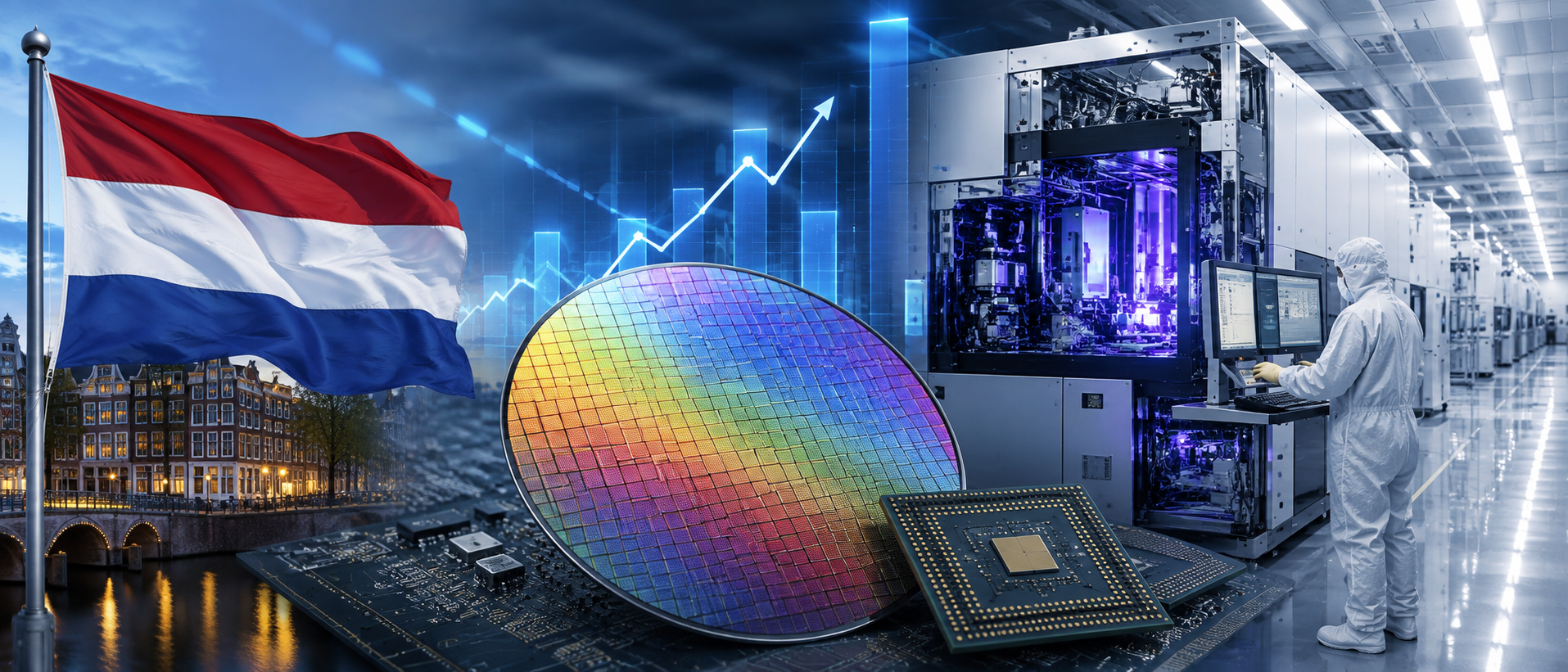
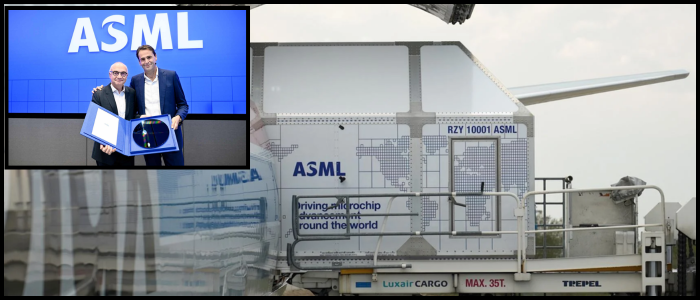
ASML, the chip machine manufacturer based in Veldhoven, is currently the top R&D investor in the Netherlands, spending €2.8 billion in 2023 alone. That figure is greater than the combined investments of the next ten companies on the country's R&D list. Companies like Philips, Booking, and KPN followed ASML but with far smaller investments of €700 million, €420 million, and €307 million, respectively.
Researchers from TNO expressed concern over this imbalance, noting that such heavy reliance on a single innovation leader poses what they called a "Nokia risk." This refers to the Finnish tech company Nokia, whose rapid decline in the 2000s had a serious economic impact on Finland. A similar scenario could affect the Dutch economy if ASML falters.
Spending Must Rise to Meet International Standards
For years, Dutch R&D investments have hovered around 2% of the country's economic output, below the European target of 3%. By contrast, countries like the United States, South Korea, Japan, Belgium, and Germany all invest more than 3% of their GDP in innovation. In comparison, American tech giants individually invest tens of billions of euros in R&D.
To help bridge this gap, the Dutch Cabinet released an action plan last Friday aimed at boosting innovation. While TNO sees this as a positive step, they caution that real progress depends on effective implementation.
Urgent Need for Investment and Technical Talent
According to TNO, the Netherlands needs €14.9 billion in direct public funding and €34.5 billion in private investments to strengthen innovation through 2030. They also warned of a possible shortage of technical talent in the future, which could further threaten the country's global standing.
The government's nine proposed actions include attracting more "knowledge-intensive companies" to the Netherlands, encouraging existing firms to expand their R&D efforts, and tapping into pension funds to help start-ups scale into larger businesses. The ultimate goal is to create an environment where more companies can grow into major innovators like ASML.