 5 months Ago
A System Pushed to Its Limits
The problem, as Den Besten sees it, goes well beyond child protection itself. The entire chain of care — from early family support to crisis intervention — is struggling to keep pace with demand. She points to a telling pattern: in the majority of cases her organization handles, a difficult or complex divorce is a central factor. Had those parents received guidance early on, before situations deteriorated, many of the most serious interventions could have been avoided altogether.
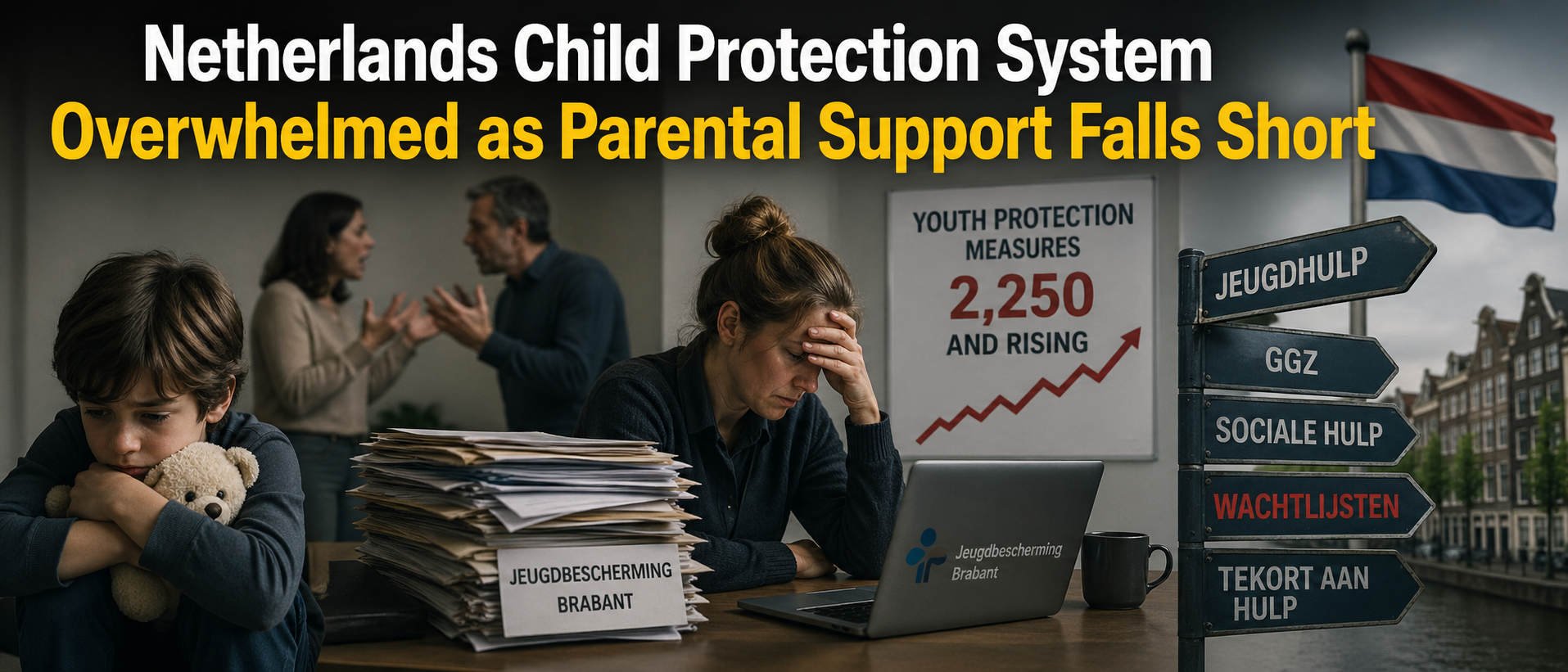
Currently, Jeugdbescherming Brabant is managing 2,250 active youth protection measures, and this figure continues to rise. Workers are doing what they can, but the delays in deploying adequate help within the care chain are leading to more crises — and more urgent, last-minute referrals to child protection services. The pressure is not going unnoticed in courtrooms either. Den Besten recalled situations where child protection workers faced sharp criticism from judges for failing to arrange support services — not out of negligence, but simply because no suitable placements were available.
The Road Ahead
There is broad agreement across the political and institutional landscape that the current model is unsustainable. Politicians, municipalities, and care organizations all recognize that something has to change, and work toward reform is underway. But Den Besten is realistic about the pace of progress. Structural transitions in systems this complex take years, not months. In the meantime, she is pushing for one practical shift: more help offered earlier, before families reach a breaking point. Getting ahead of the crisis, she believes, is the only way to genuinely reduce the burden on a system that has already been stretched far too thin.