 5 months Ago
Longer Journeys, Fewer Buses, Bigger Problems
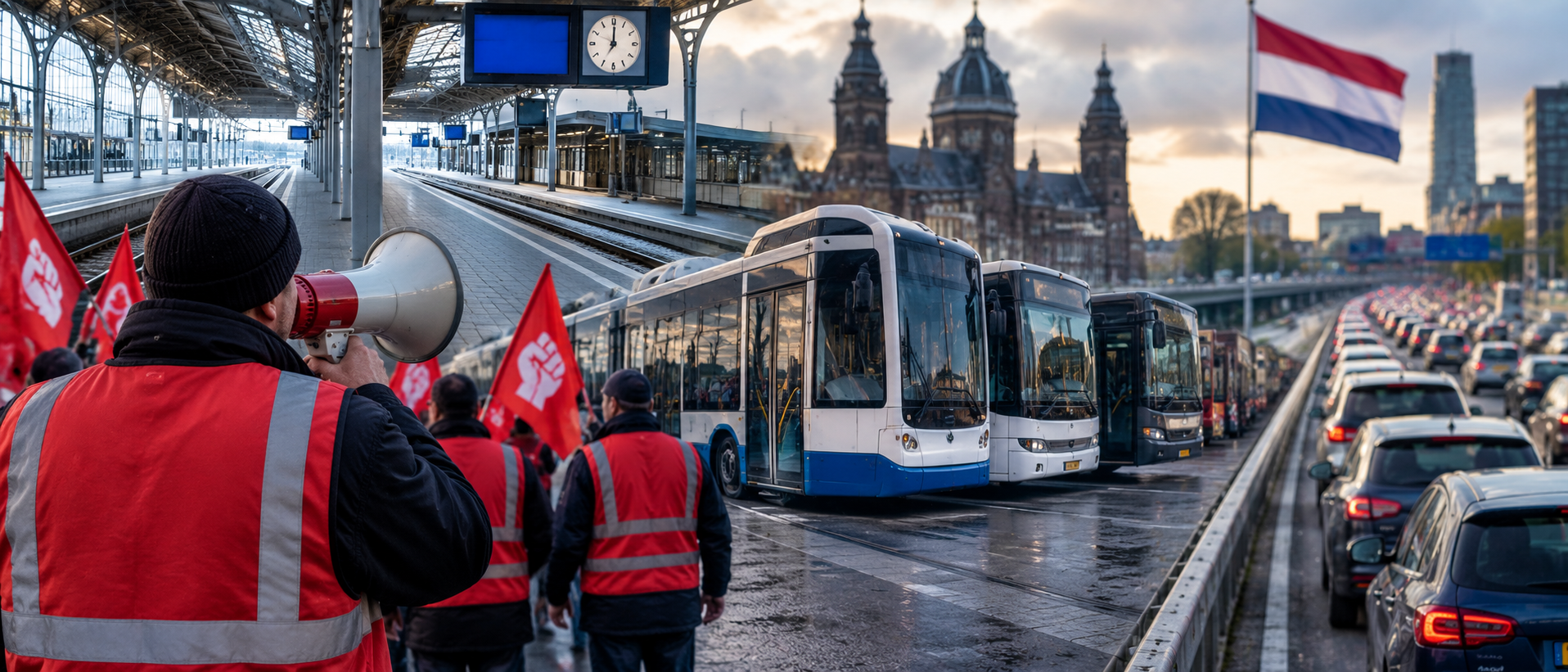
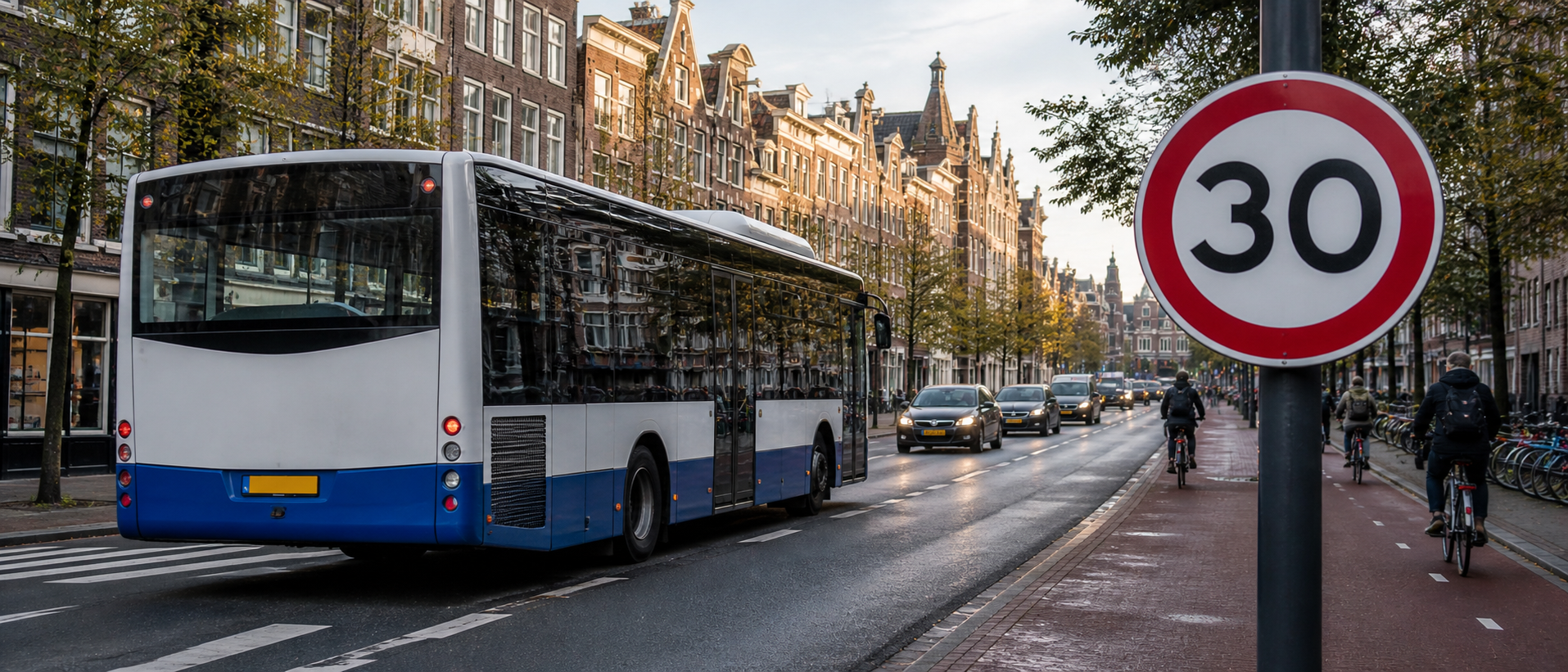
The Amstelveen-to-Leidseplein route is one of the clearest examples. Since the lower speed limit came into effect, travel time on that corridor has stretched by over five minutes. That might not sound dramatic, but for public transport operators, it changes everything. When a bus takes longer to complete a route, it makes fewer trips within the same timeframe. That means you need more buses and more drivers just to keep the same number of services running — resources that many operators simply don't have right now.
Faced with that pressure, some transit companies have responded by cutting routes short or reducing how often buses run. Neither option is good for passengers who depend on those services daily.
There's another frustration worth mentioning. Buses are strictly required to follow the 30 km/h limit, while private cars in certain stretches can still move faster depending on road conditions. That quietly chips away at one of the core selling points of taking the bus — that it's quicker than sitting in traffic.
Safety Gains Are Real, But So Are the Trade-offs
To be fair, the reasoning behind these speed limits is solid. Research from the Institute for Scientific Research on Traffic Safety shows that more than 95 percent of pedestrians survive a collision at 30 km/h, compared to roughly 85 percent at 50 km/h. That's a meaningful difference in human lives. The same research also found that properly designed 30 km/h zones — ones with physical measures like speed bumps and narrower lanes — can cut serious accidents by nearly one-third.
So the policy isn't without merit. But Rover's concern is that public transport is absorbing a disproportionate share of the cost, without the extra funding or vehicles needed to adapt. Slowing down roads without adjusting bus infrastructure is, in their view, making an already stretched system even harder to run efficiently.